A brand with a wardrobe-first point of view
UniqueYou began in 2014 with scarves and clothing. Its history includes a pause and a return after the domain was recovered, so it is more accurate to describe a beginning and a return than uninterrupted trading. The original brown wordmark includes a horse motif and the words “Since 2014”; a neutral taupe palette also forms part of the brand identity. Those details give the presentation a recognisable character, but they should not substitute for looking closely at an individual scarf.
The practical idea behind the range is approachable elegance: choose an accessory that works with a woman’s existing wardrobe. Instead of starting with an unfamiliar trend, start with two or three outfits she actually wears. A scarf that can sit beside a favourite coat, dress or knit is more likely to be useful than one chosen only because its photograph looks striking. UniqueYou’s categories include scarves, shawls, wraps and square scarves, with silk, cashmere and wool among the material categories. The composition of any particular item still needs to be checked on its own product information.
Begin with what is already in the wardrobe
Lay out a coat, a top and one dress or jacket before deciding on colour. Notice whether the wardrobe is built around warm browns and creams, cooler greys and blues, or a mixture. A scarf does not have to match every garment exactly; it can repeat a small colour found in a print, or introduce one contrasting colour against several quiet pieces. If most clothes already have busy patterns, a calmer scarf may be easier to wear. If outfits are mostly plain, a patterned square can provide the detail they lack.
Think about the moments when the accessory will be worn. A scarf for a daily walk has a different job from a wrap intended to sit over a formal dress. Check the neckline and collar: a bulky knot may compete with a high collar, while a narrow fold can sit neatly beneath it. At home, a quick styling test is simple. Drape a similar piece of fabric over the outfit, step back from the mirror and look at the overall silhouette before concentrating on the print. This tests proportion without requiring a new purchase first.
Understand shape before choosing a print
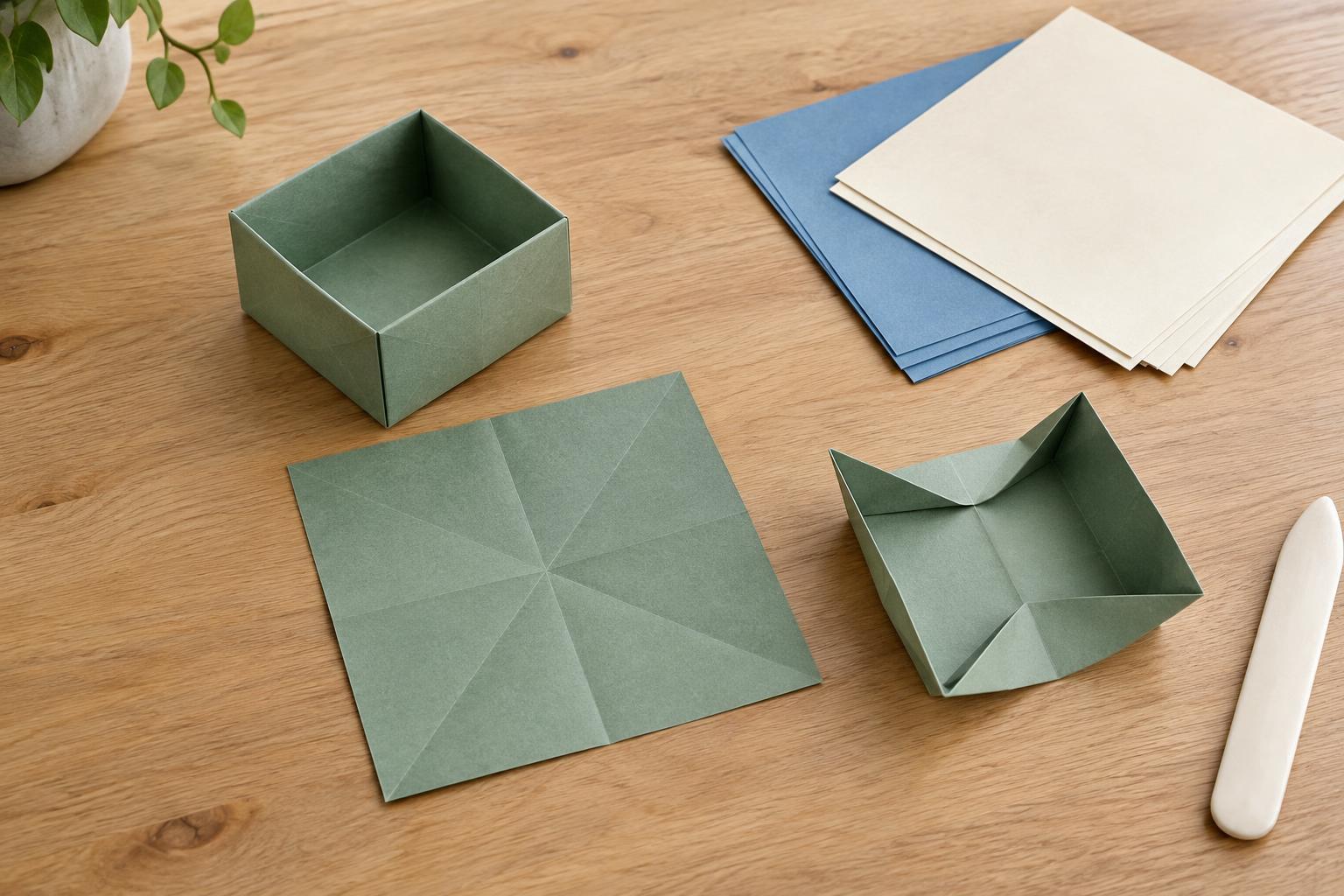
A square scarf can be folded into a triangle, rolled into a narrow band or tied with its corners visible. These options make it especially interesting to anyone who enjoys working with fabric: a small change in the fold can reveal a different part of the design. A longer scarf offers room for a loose loop or a simple over-the-shoulder drape. A shawl or wrap presents a broader surface and can sit across the shoulders when an outfit needs more coverage. Neither shape is automatically more versatile; the answer depends on the clothes and the wearer.
When comparing pieces, look beyond their names. Check listed dimensions so you can picture how much fabric will fall at the front and whether a knot will feel crowded. Also look at photographs that show the scarf worn, if available, rather than judging scale from a folded product image alone. A frequent mistake is to choose a dramatic print without considering how little of it remains visible once the fabric is tied. If the border is the part you love, imagine where that border will land after the fold.
Read material descriptions with a maker’s eye
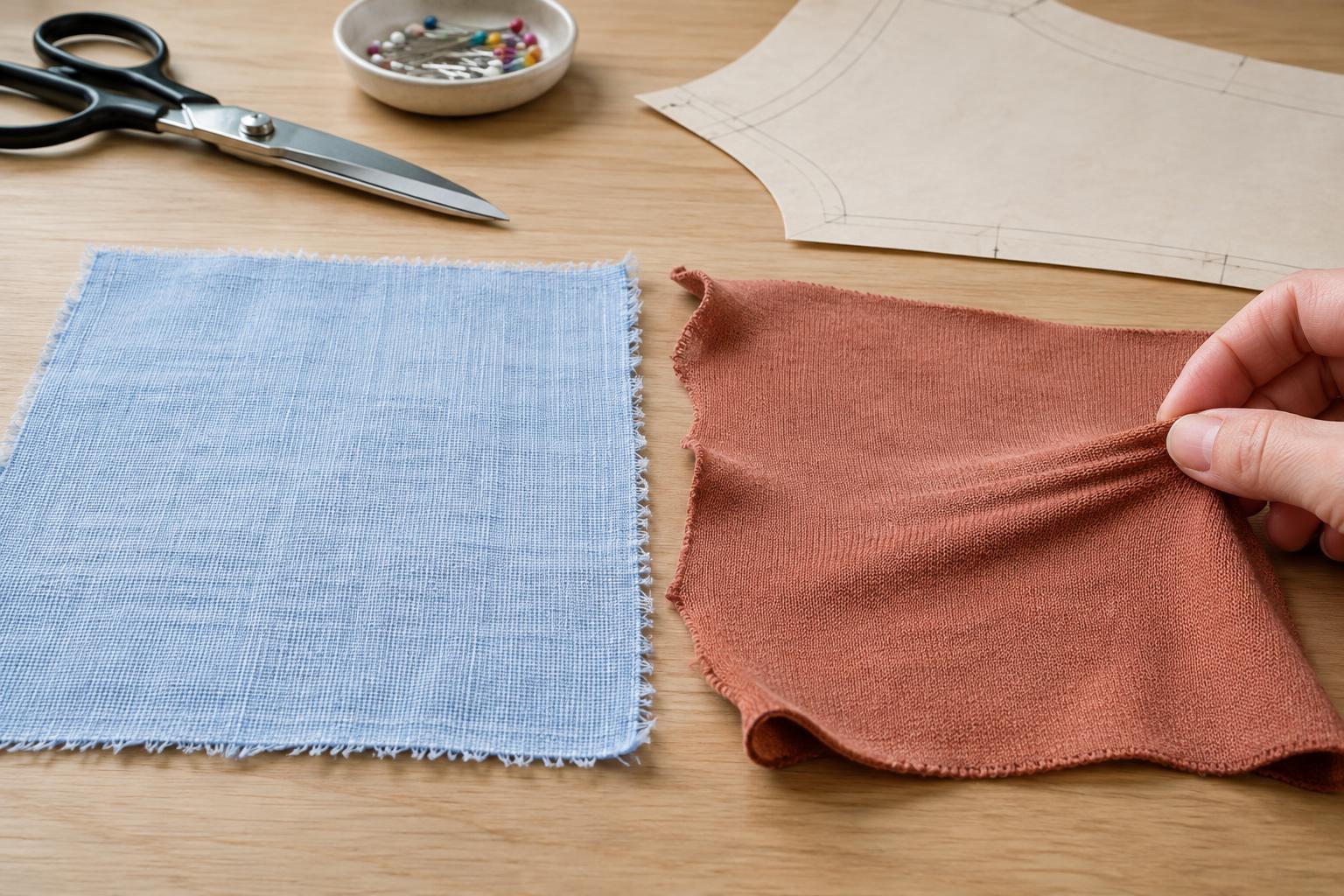
Material affects drape, texture and how a scarf behaves when handled. Silk can create fluid folds and a clear surface for colour; wool may be appealing where an insulating layer is wanted; cashmere is another material category worth considering when a softer-feeling wrap is the goal. These are starting points, not guarantees about every product. Weight, weave and blends can change the result considerably, and a category label alone does not establish that an item is made entirely from one fibre.
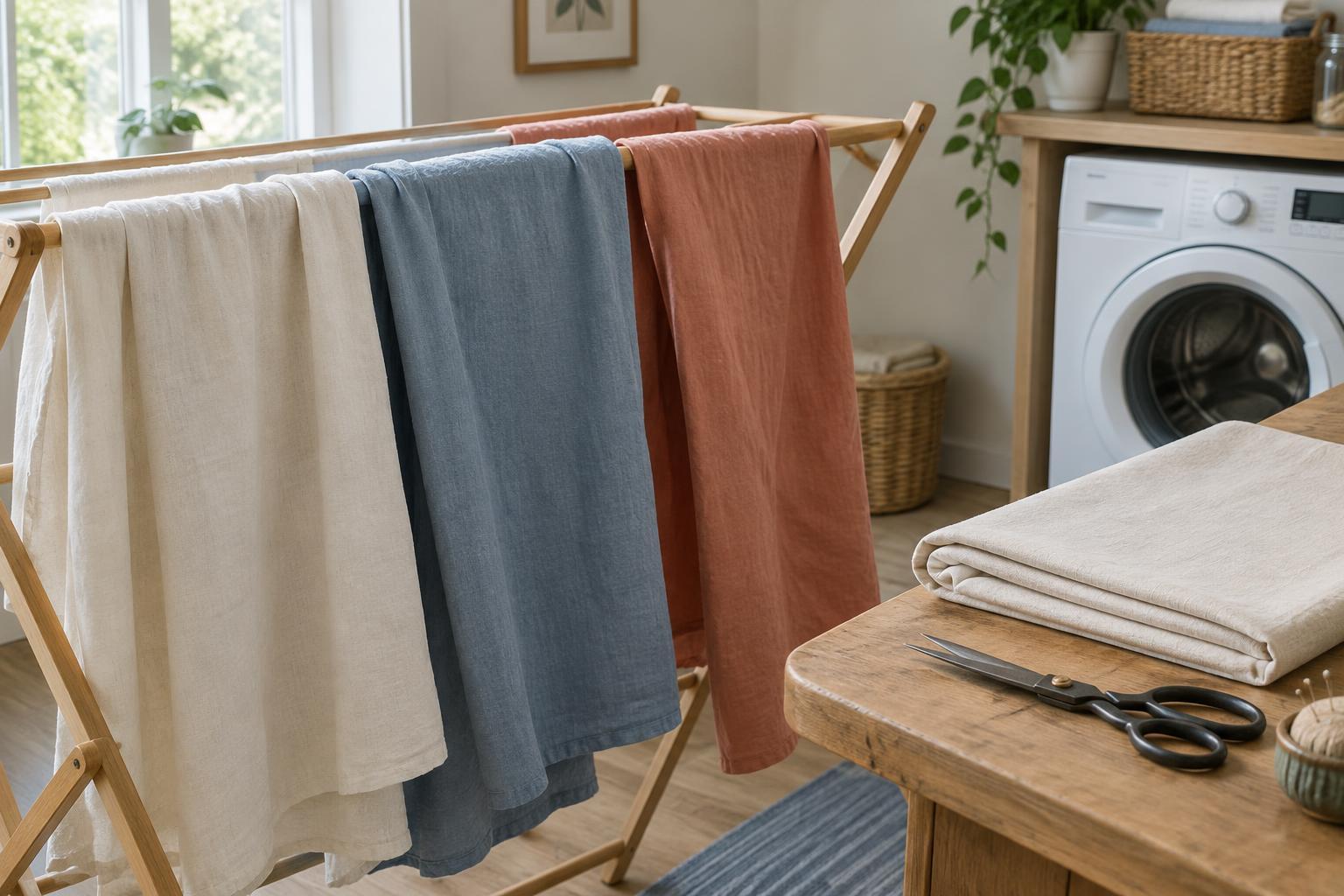
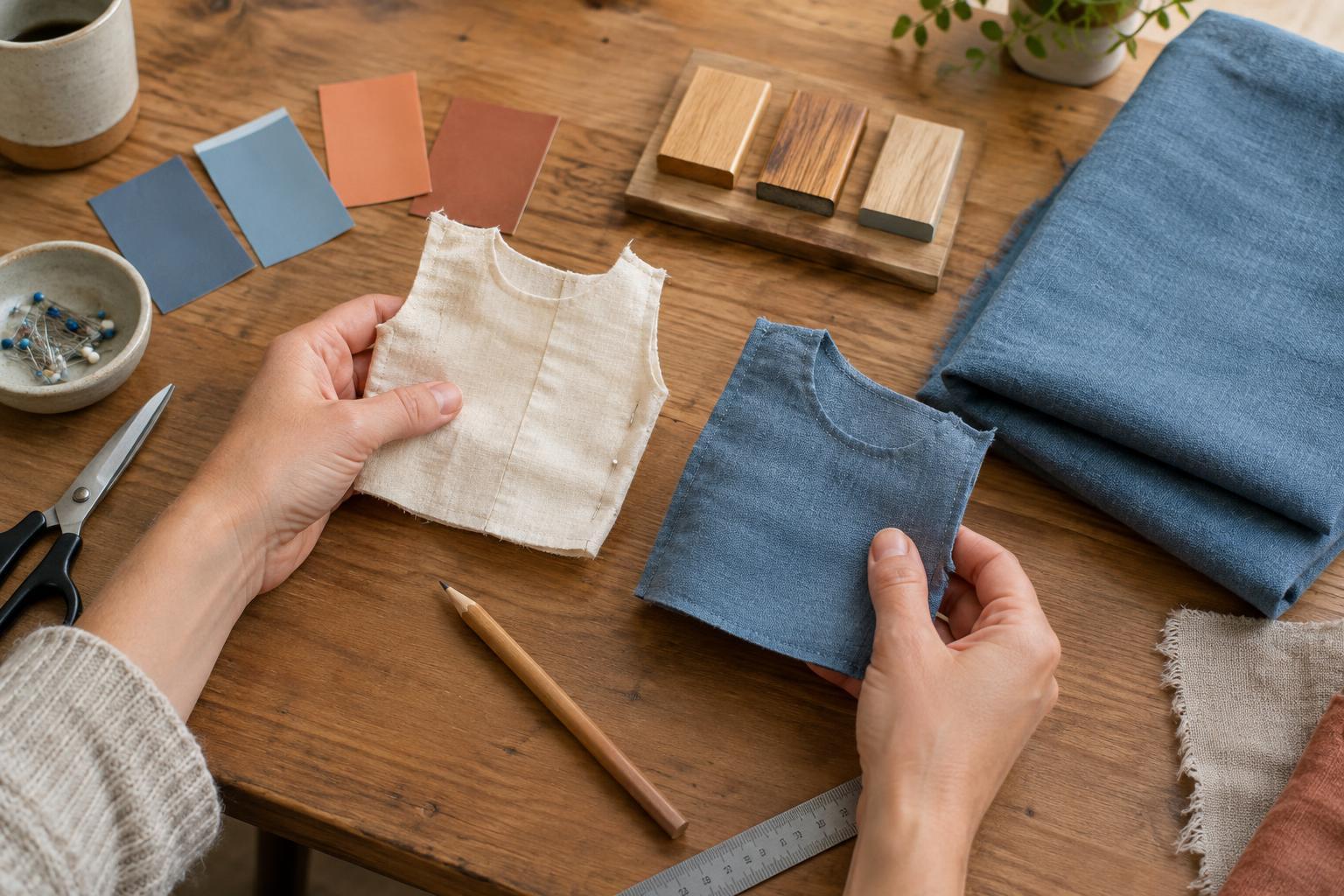
Use the same habits you would use when choosing fabric for a sewing project. Read the item’s stated composition and care information, then consider how it fits the intended use. Will the wearer want a light accent that stays close to the neck, or a broad layer that can be rearranged throughout an evening? Is the texture comfortable against the skin, if that information can be assessed? Avoid assuming that a material name settles every question about feel or maintenance. If an important detail is unclear, leave it open rather than filling the gap with a guess.
Try three styling tests instead of collecting complicated knots
For a straightforward everyday test, place a long scarf around the neck with one end slightly longer, bring that end around once and let both ends hang freely. Adjust the loop so it frames the face without pulling at the collar. For a square scarf, fold corner to corner and try the triangle at the front, with the ends brought loosely around the neck. If that feels too full, roll the triangle from its long edge into a narrower band. A wrap can simply be laid across the shoulders, with one end drawn forward so the fabric does not slip immediately.
Test each arrangement with the coat or dress it is meant to accompany, not just over a plain top. Check whether the knot crowds a button, whether the ends fall into a bag strap and whether the print appears where you want it. The aim is not to master an elaborate technique: it is to find a repeatable arrangement that feels natural. Treat pins or decorative fastenings cautiously around delicate fabric, since a puncture or snag may remain visible.
Bring a craftsperson’s care to the details
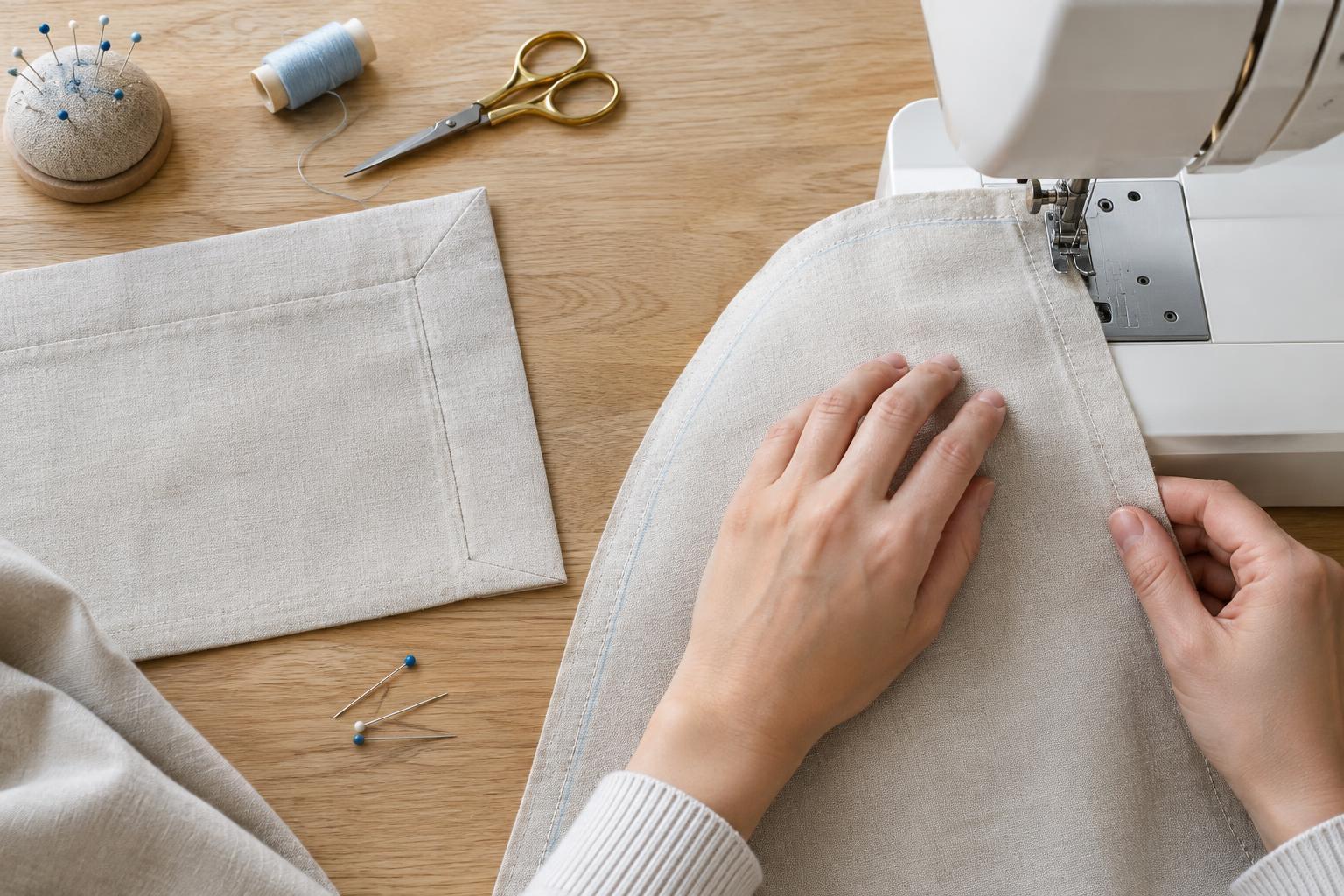
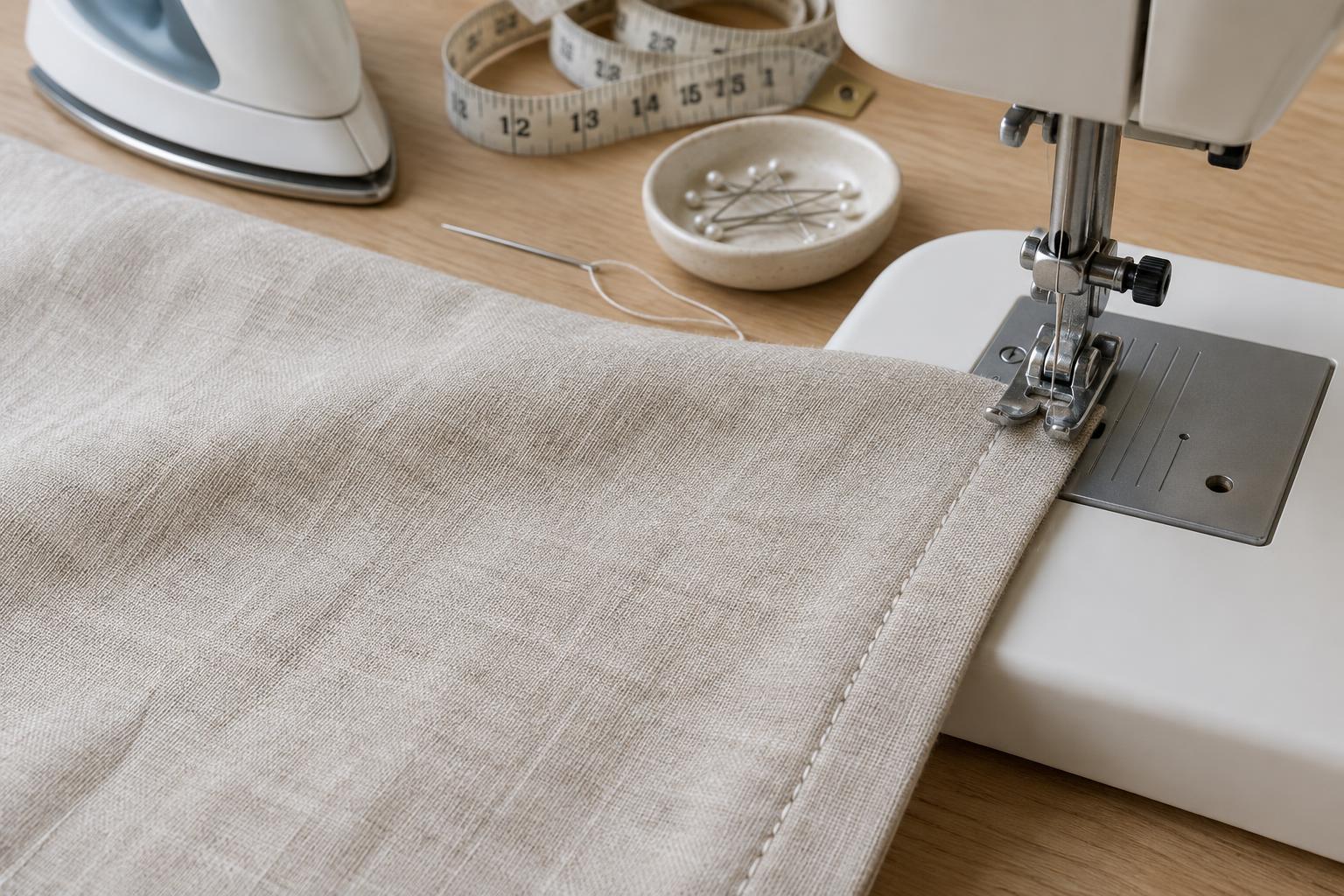
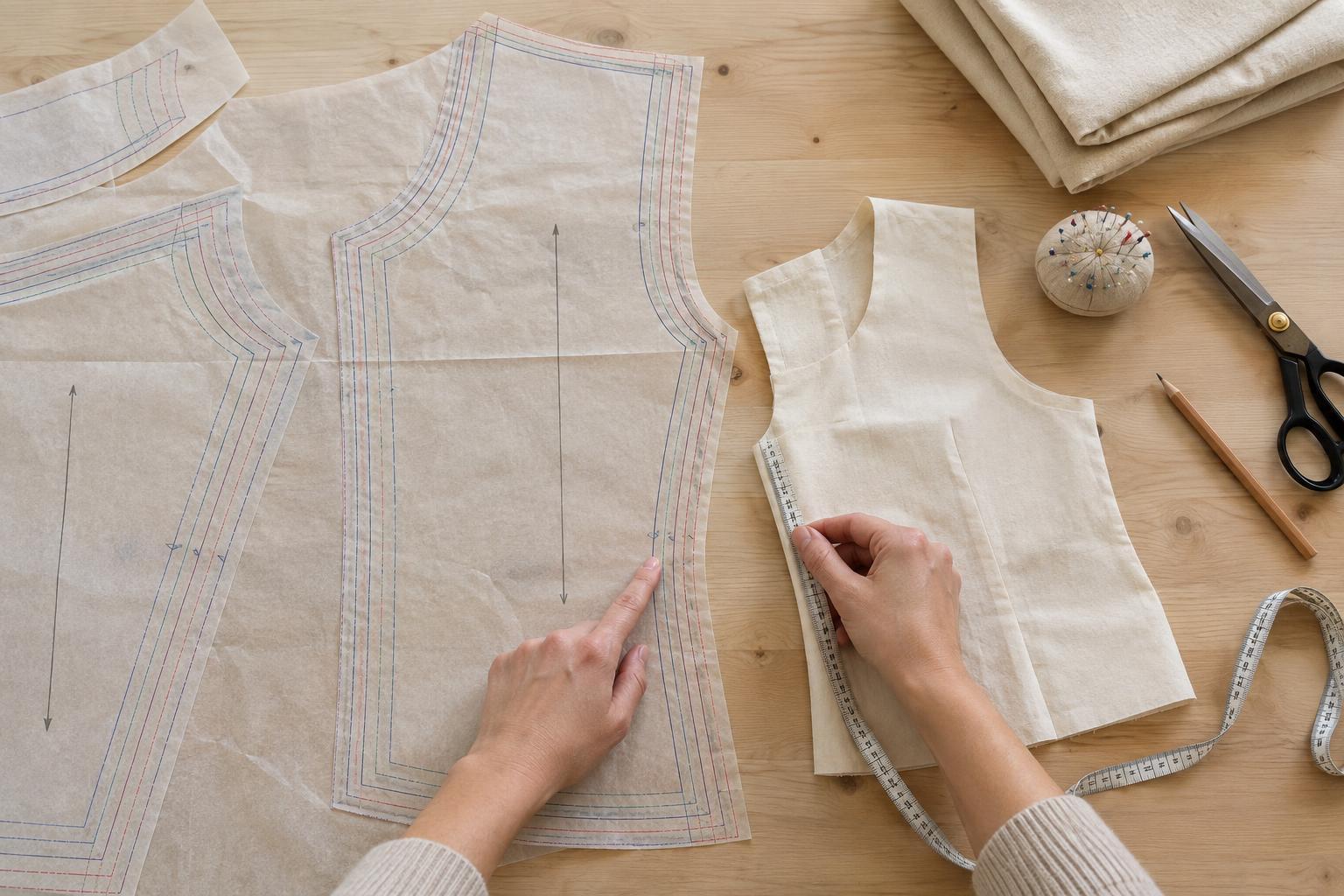
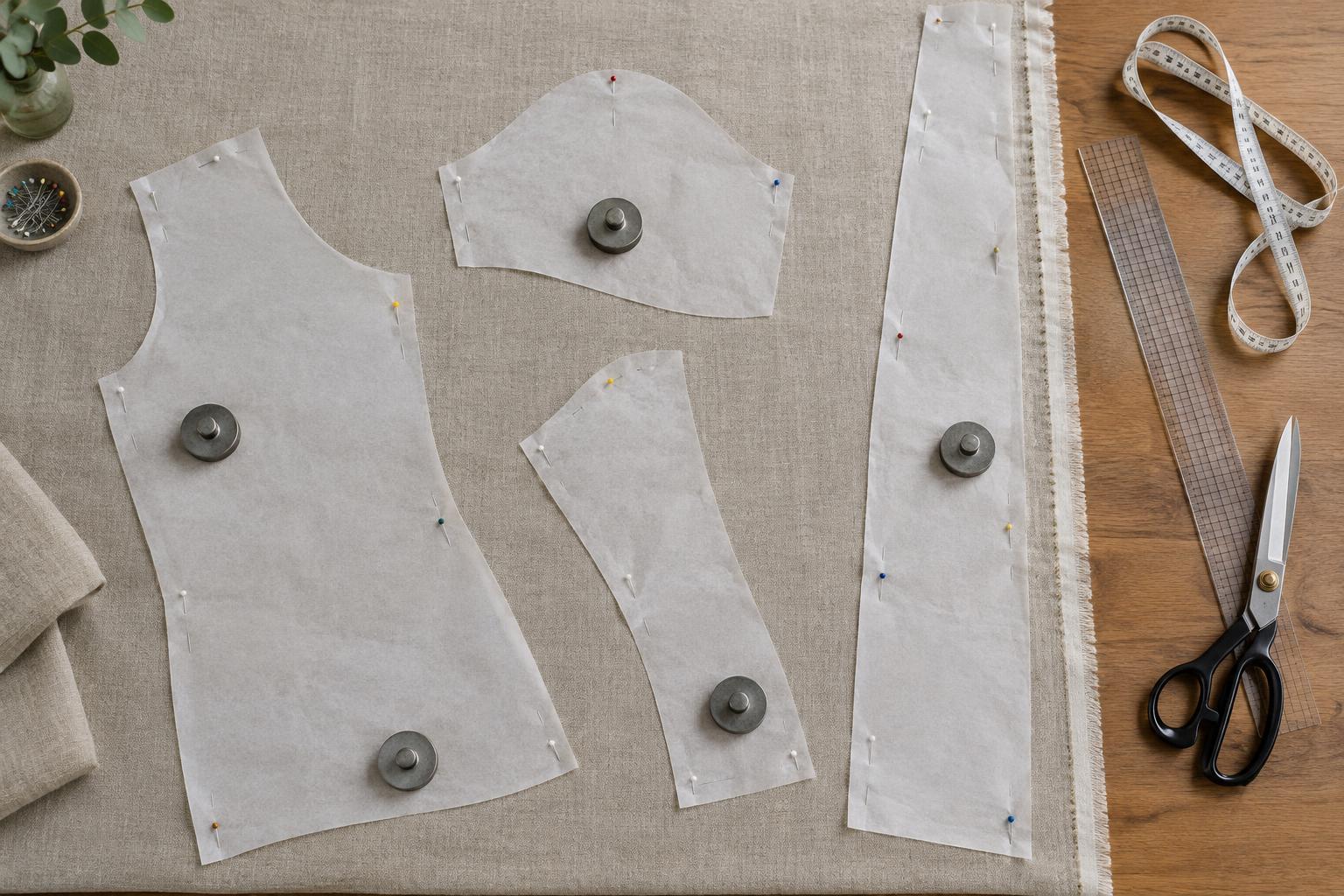
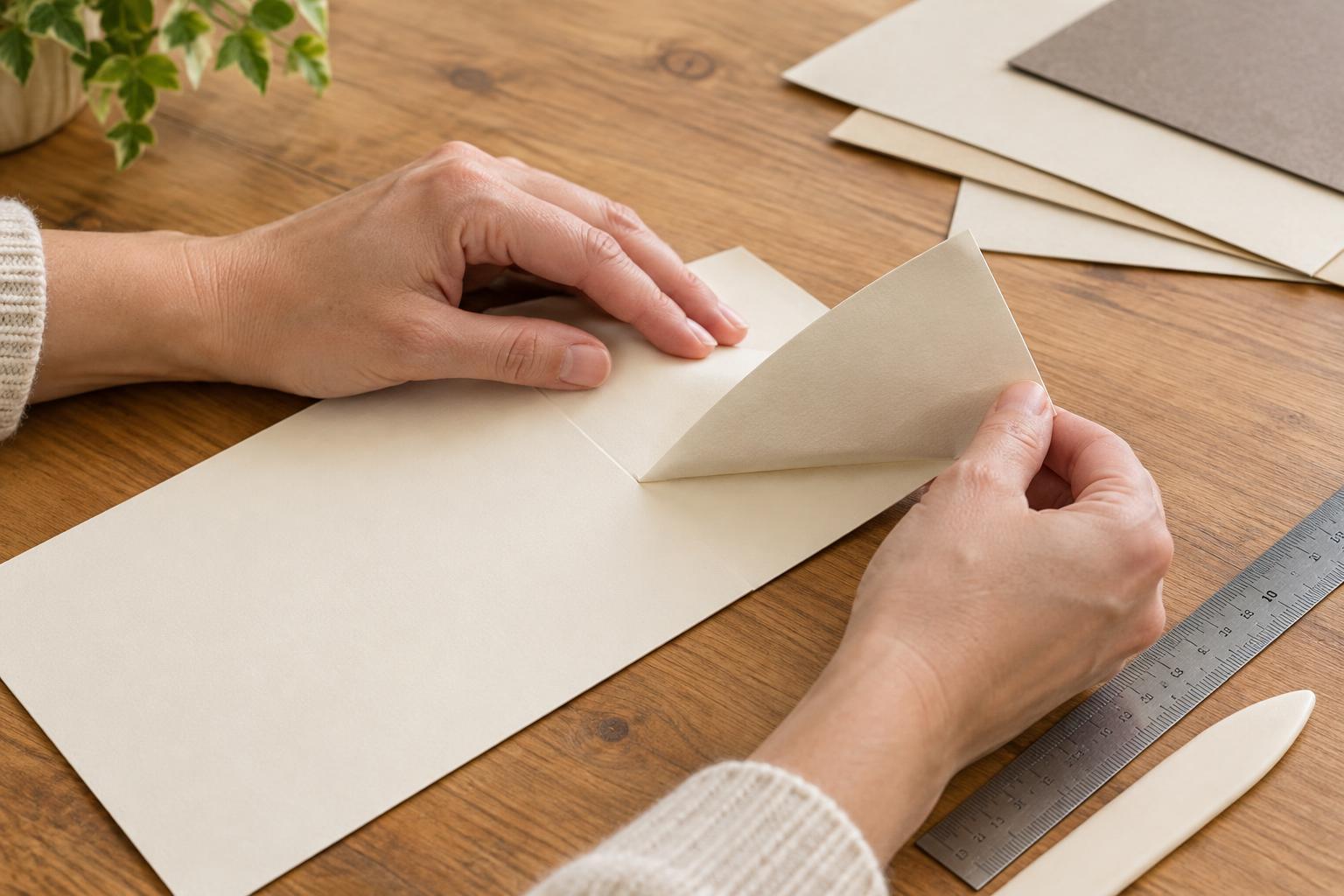
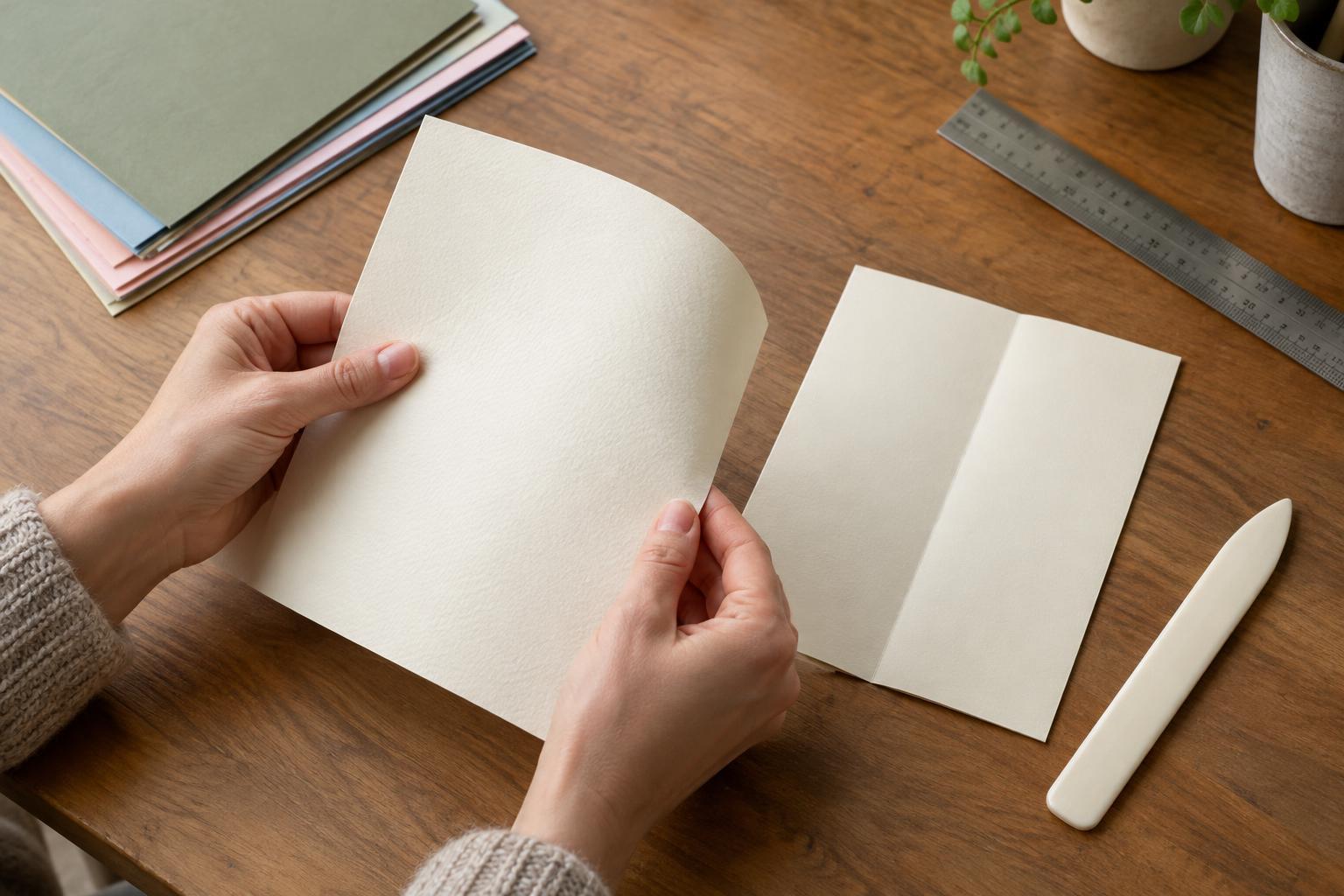
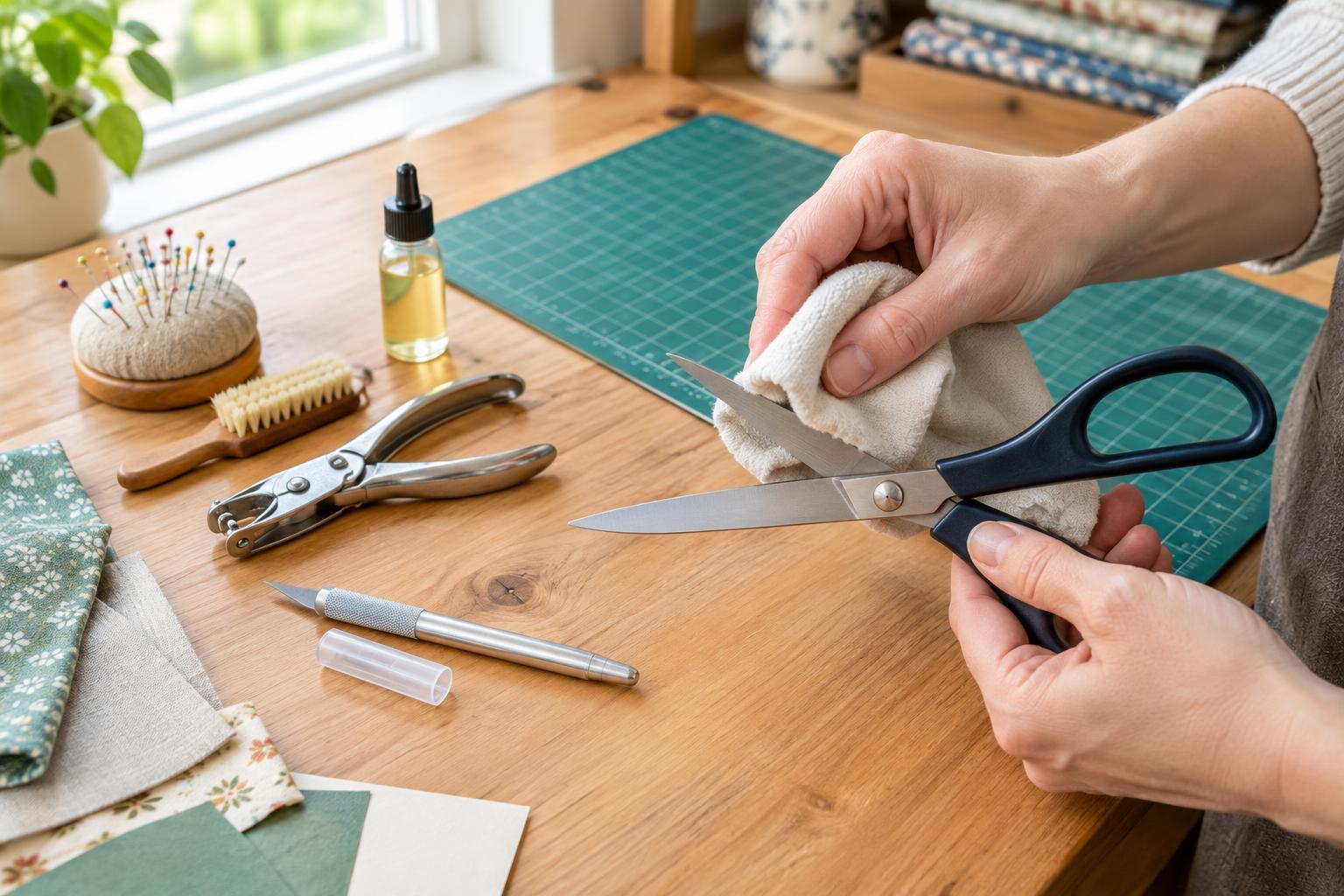
The Craft Corner often begins with preparation: clear a surface, examine the material and plan before cutting or stitching. The same measured approach helps when handling an accessory, even though a finished scarf is not a craft blank. Spread it on a clean surface to see its full shape and edges. Remove jewellery that might catch while folding it, and avoid dragging it across a rough tabletop. If it has been stored folded, let it hang briefly before deciding that its drape is wrong.
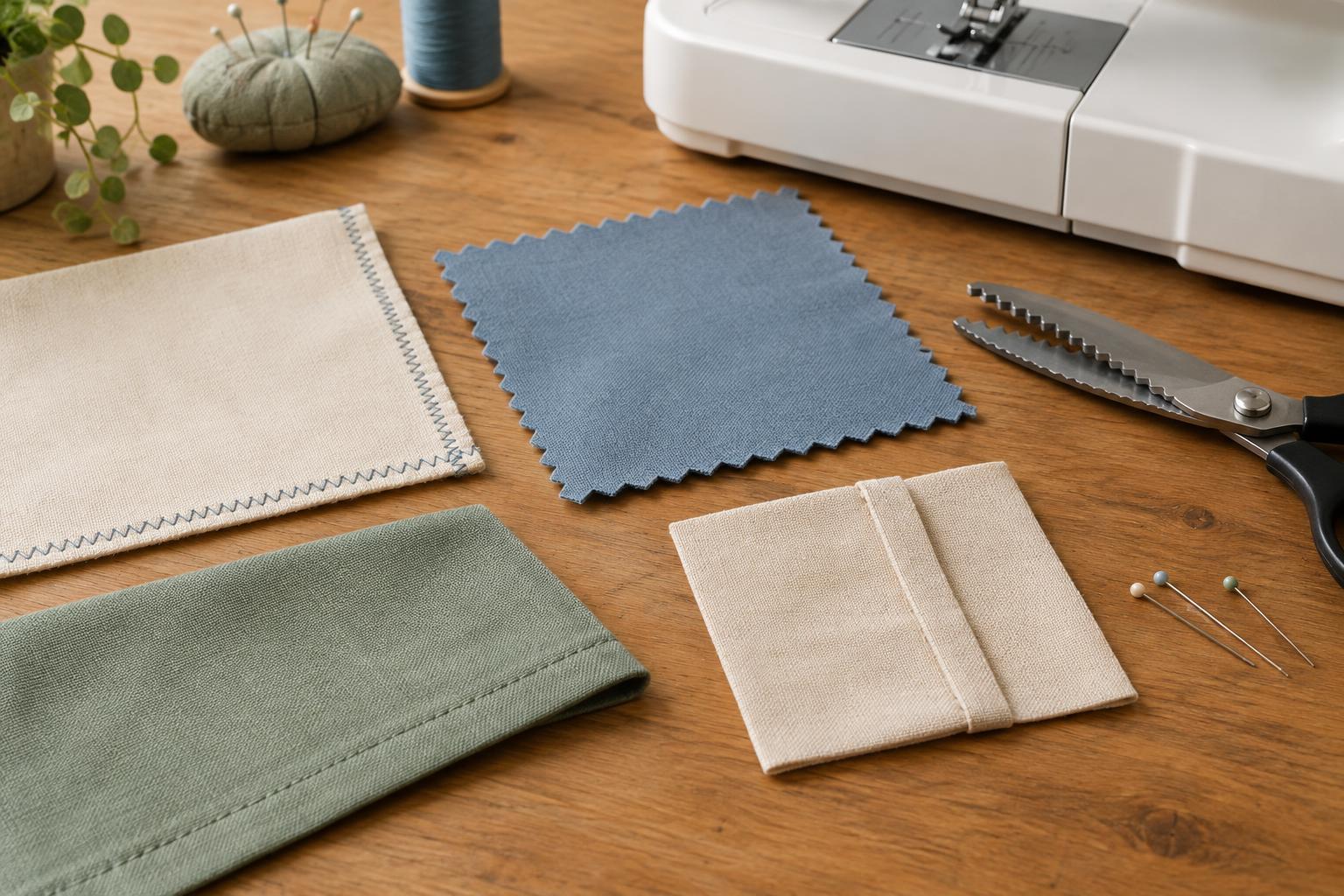
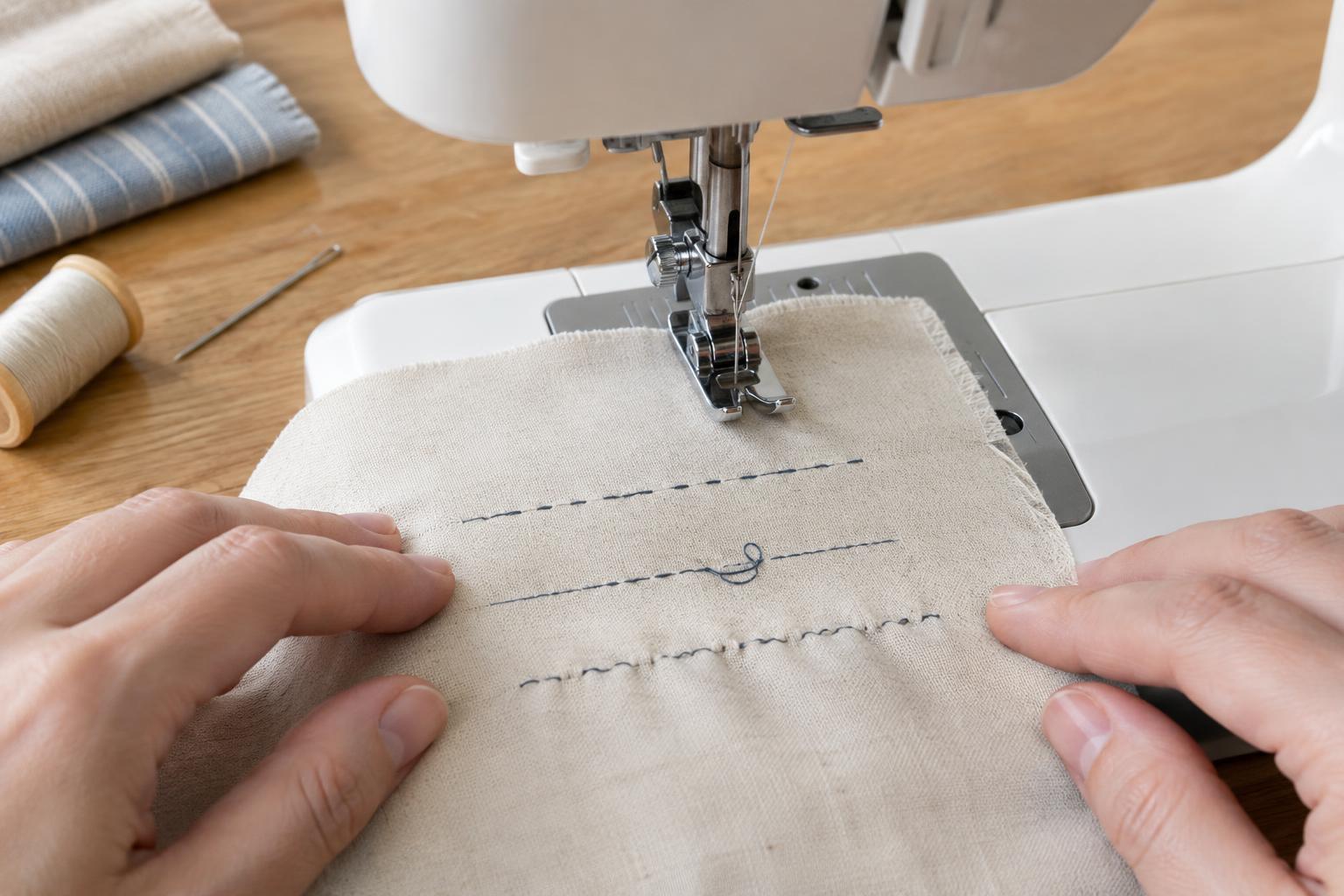
If you sew or upcycle at home, resist the impulse to alter a finished scarf before you know how you will wear it. A permanent stitch, iron-on decoration or trimmed edge can change the fabric and may not suit its care requirements. Practise an idea first on spare material of a comparable weight. For the scarf itself, follow the care instructions supplied for that item rather than applying one cleaning or pressing method to every fibre. This is especially important when composition varies between products.
Choose a gift for a person, not an occasion label
A scarf is a thoughtful gift when the choice reflects the recipient’s habits. Observe the colours she reaches for, whether she wears accessories close to her neck and whether she prefers an understated finish or a visible pattern. A person who rarely wears a neck scarf might enjoy a broad wrap with a familiar evening outfit; someone who regularly ties small accessories may appreciate the possibilities of a square. Neither choice follows automatically from age or the name of an occasion.
If you are uncertain, use an outfit as the reference point: picture the recipient’s most-worn coat or a dress she has chosen for a particular event. Then compare shape, colour and the stated material details with that outfit. Do not assume that a premium-sounding fibre is always the best gift; comfort, care and the recipient’s preferences matter more. When the choice remains close between two options, a quieter design that works with several familiar garments may be easier to give confidently than a bold piece intended for only one look.
Build colour and texture into an outfit deliberately
A scarf can act like the final layer in a decorative project: it connects parts that were already there. With a patterned dress, try choosing a scarf that picks up one quieter shade rather than repeating every colour. With a plain coat, the scarf can introduce movement or a stronger accent. Brown, taupe and other neutrals can bridge several wardrobe colours, but a bright shade can also be useful if the wearer already repeats it in shoes, bags or jewellery. There is no rule that an accessory must match those items exactly.
Texture deserves the same attention as colour. A smooth scarf beside a structured jacket creates a different effect from a softly draped wrap over a loose knit. Put the two materials side by side and check whether they complement each other or make the neckline feel crowded. In photographs, assess the whole outfit from a few steps away; close-up fabric details do not always predict the overall result. If an arrangement feels awkward, simplify the fold before deciding the colour was a mistake.
Make the final choice with a short, practical checklist
Before settling on a scarf, answer five questions. Which existing outfit will it accompany first? Is the intended use everyday, occasional or both? Does the shape provide enough fabric for the preferred drape? What does the individual item say about composition and care? Finally, is there a simple way the wearer can put it on again without needing a tutorial each time? These questions keep attention on use rather than on an imagined perfect accessory.
It also helps to separate what can be confirmed from what is merely suggested by a photograph or category name. A wool, silk or cashmere category gives a direction for browsing; the individual listing is where product-specific details belong. An attractive image may suggest how a scarf could be worn, but it cannot establish how that fabric will feel to a particular person. Approach UniqueYou as a selection of possible wardrobe companions, compare the information available for each candidate and choose the one that makes sense alongside clothes already owned.
Find the regional-language destination
UniqueYou has 20 regional domains, 21 regional-language versions and 16 distinct languages. These numbers differ because some countries share a language, while one domain can offer more than one language version. The United Arab Emirates has Arabic at its root destination and English at /en. The guide below identifies the destination language before each set of links. A brand link leads to a regional home or named collection; a link displayed as an address leads to the collection described beside it. Collection names are browsing directions, not a claim that every pictured item has the same composition.
Poland — Polish
For a destination in Polish, start with the Polish regional home — UniqueYou. If brown would connect several coats or knits already in the wardrobe, the brown-scarf collection is another Polish destination — UniqueYou. The displayed address leads to a collection of silk square scarves — https://uniqueyou.pl/collections/gawroszki-jedwabne; consider their folding possibilities, then check the details of any individual item.
Germany — German
For a destination in German, the German regional home is here — UniqueYou. A collection of square scarves offers a useful place to compare folds and visible borders — UniqueYou. The displayed address leads to a collection of stoles — https://uniqueyou-store.de/collections/stolen, which may be worth exploring when a broader shoulder drape is the aim.
Czechia — Czech
For a destination in Czech, begin at the Czech regional home — UniqueYou. The scarf collection is here — UniqueYou. Compare the proportions of a candidate with the collar it will sit beside; that small preparation step can be more revealing than choosing by colour alone.
Spain — Spanish
For a destination in Spanish, use the Spanish regional home — UniqueYou. The scarf collection gives a starting point for considering everyday drapes — UniqueYou. The displayed address leads to a red-scarf collection — https://uniqueyou.es/collections/panuelos-rojos; a red accent is easiest to judge beside an outfit the wearer already owns.
France — French
For a destination in French, the French regional home is here — UniqueYou. The shawl collection is here — UniqueYou. When choosing a shoulder layer, consider the width of the garment beneath it and whether the fabric will need to be rearranged as the wearer moves.
Hungary — Hungarian
For a destination in Hungarian, begin with the Hungarian regional home — UniqueYou. The scarf collection offers a broader browsing route — UniqueYou. The displayed address leads to a wool-scarf collection — https://uniqueyou.hu/collections/salak-gyapjubol; read an individual product’s composition rather than assuming every piece in a category is identical.
Italy — Italian
For a destination in Italian, start at the Italian regional home — UniqueYou. The cashmere-shawl collection is another Italian destination — UniqueYou. If a shawl is intended for a dress, compare its coverage with the dress neckline and check the particular item’s stated material details.
Slovakia — Slovak
For a destination in Slovak, start with the Slovak regional home — UniqueYou. The scarf collection provides one route to compare longer shapes — UniqueYou. The displayed address leads to neck scarves — https://uniqueyou.sk/collections/satky-na-krk-1, a useful option to consider when a smaller fold would sit better with a jacket collar.
Finland — Finnish
For a destination in Finnish, the Finnish regional home is here — UniqueYou. The cotton-scarf collection is here — UniqueYou. Compare listed dimensions as well as material information: the preferred amount of fabric depends on whether the scarf will be tied close or worn loose.
Sweden — Swedish
For a destination in Swedish, begin at the Swedish regional home — UniqueYou. The cashmere-shawl collection is here — UniqueYou. Before choosing a broad layer, picture where its ends will fall over a favourite coat or dress and consult the individual item details.
Denmark — Danish
For a destination in Danish, the Danish regional home is here — UniqueYou. The wool-scarf collection offers a material-led browsing route — UniqueYou. The displayed address leads to large scarves — https://uniqueyou.dk/collections/store-torklaeder; check their measurements if the plan is to fold one into a manageable everyday shape.
Belgium — Dutch
For a destination in Dutch for Belgium, begin at the Belgian regional home — UniqueYou. The small-scarf collection is here — UniqueYou. A smaller accessory can be assessed against a shirt or jacket neckline before deciding whether its print is bold enough for the intended outfit.
Austria — German
For a destination in German for Austria, start at the Austrian regional home — UniqueYou. The scarf collection provides one browsing route — UniqueYou. The displayed address leads to stoles — https://uniqueyou.at/collections/stolen, which can be compared with narrower scarves when deciding how much fabric an outfit needs.
Netherlands — Dutch
For a destination in Dutch for the Netherlands, the regional home is here — UniqueYou. The collection of stoles for dresses and weddings is here — UniqueYou. For a planned event, compare the stole with the actual dress rather than relying on a colour remembered from a photograph.
United Arab Emirates — Arabic
For a destination in Arabic for the United Arab Emirates, use the regional root home — UniqueYou. This is the Arabic version of the shared regional domain. If choosing a scarf for someone else, begin by noting the colours and shapes she already wears.
United Arab Emirates — English
For a destination in English for the United Arab Emirates, use the English version at /en — UniqueYou. It shares the regional domain with the Arabic root version. Choose the language that makes product details easiest for you to read before comparing materials or planning a gift.
Ireland — English
For a destination in English for Ireland, begin at the Irish regional home — UniqueYou. The scarf collection is here — UniqueYou. A quick check against a frequently worn coat can help determine whether a candidate adds a useful layer or duplicates one already in the wardrobe.
United Kingdom — English
For a destination in English for the United Kingdom, start at the regional home — UniqueYou. The square-scarf collection is here — UniqueYou. When comparing squares, picture both a broad triangle and a narrow rolled fold; the same shape can look quite different in each arrangement.
Portugal — Portuguese
For a destination in Portuguese, the Portuguese regional home is here — UniqueYou. The collection of scarves for dresses and weddings offers an occasion-focused route — UniqueYou. The displayed address leads to white scarves — https://uniqueyou.pt/collections/cachecois-brancos; compare a pale accessory with the exact fabric and colour of the outfit it will accompany.
The best scarf choice starts with real clothes, a comfortable way to wear the fabric and a careful reading of the individual item’s details. Let those practical observations guide the final decision.
 Craft Tools and Skills